
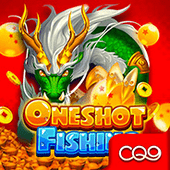
Oneshot Fishing: Milton Guide to Play and Mechanics
Oneshot Fishing is a fishing game built around observing the playfield, selecting a target, and managing each action within the game's displayed controls. In short, learn the on-screen rules first, then keep your session and stake within limits you have chosen beforehand.
For a quick orientation, use the game’s own help panel to confirm how aiming, firing, target values, and any special effects work; these details are the reliable guide to the current version.
More Fishing Games
 All Star Fishing
 Bao Chuan Fishing
 Bingo Fishing
 Boom Legend
How Oneshot Fishing Works
Quick answer: Oneshot Fishing uses an arcade-style fishing format in which actions are directed at targets on a moving playfield. The value of a shot and the result of an encounter depend on the rules presented in the game, so review those instructions rather than assuming every target behaves the same way.
Read the screen before acting
Before a round, locate the aim control, action or fire control, stake setting, remaining balance, and any displayed target information. If the game explains ammunition costs, target strength, special weapons, or reward values, treat those notices as part of the rules. A larger or more prominent target does not by itself guarantee a better result.
In this kind of game, each action can affect the balance according to the selected settings. Make a small test only if the rules and available funds make that appropriate, then pause to confirm how the interface responds. Do not increase the stake simply because an earlier attempt did not produce the result you wanted.
What a demo option can and cannot tell you
A Oneshot Fishing Demo, if the game explicitly provides one, can help you learn the controls and screen layout without treating practice results as a promise of future outcomes. Demo behavior may differ from a paid session, and a practice mode is not proof that a particular target or strategy will pay. Check the mode label and terms in the game before relying on it.
Players who are new to the platform can review the practical Milton Guide for general navigation and account-use information. Keep the game rules separate from platform procedures and read both when needed.
help Oneshot Fishing Questions, Answered
Quick answer: Start by checking the current game instructions, control labels, and session costs. That information clarifies whether Oneshot Fishing suits your preferred pace and budget.
Is Oneshot Fishing a slot game?
No. The supplied game category is fishing, and its presentation is an arcade-style target game rather than a conventional reel-spinning slot. Its controls and per-action decisions make reading the in-game guide especially important.
Can I try Oneshot Fishing for free?
Only if a practice or demo mode is clearly offered for the version you open. Look for the game’s own mode selector and confirm whether virtual credits or real balance are in use. The phrase Oneshot Fishing Demo describes an intent to practise, not a guarantee that a demo is available in every context.
Does a particular target guarantee a reward?
No target appearance can guarantee a result. Any reward, cost, or special interaction must be understood from the current game rules. Outcomes can vary, so avoid chasing a missed target or treating a sequence of results as a forecast.
How should I decide whether to continue?
Set a time limit and a spending limit before entering. Stop when either limit is reached, and take a break if you feel frustrated or pressured. You can learn more about the platform and its terms on About Milton.
A Thoughtful Oneshot Fishing Strategy
Quick answer: The most useful strategy is a process, not a promise of winnings: understand the cost of each action, use conservative settings, observe the response, and stop according to a pre-set boundary.
Build a repeatable routine
- Read the rules and identify each control before the first paid action.
- Choose a session budget that is separate from essential expenses.
- Keep the action size steady while learning; never raise it to recover a loss.
- Pause periodically and compare your actual play with the plan you set.
- End the session when your time or spending limit is reached.
Fishing games can combine timing, target selection, and chance, but no tactic removes uncertainty. Milton Oneshot Fishing is best treated as entertainment; neither a high-value target nor a particular firing pattern should be assumed to produce a specific return. If the game displays a cost table or special feature description, review it and make your decision from that information rather than from guesses.
For a different style of play, compare the mechanics in Fruity Bonanza. A comparison can help you choose a format you enjoy, but it cannot predict which game will produce a winning result.
Remember These Oneshot Fishing Essentials
Quick answer: Know the controls, verify the current rules, and play only within an affordable entertainment budget. These fundamentals matter more than chasing a streak or trying to force a particular outcome.
- Mechanics first: confirm target behavior and the cost of each action in the game guide.
- Practice carefully: use a demo only when it is explicitly available and understand its limits.
- Keep perspective: previous shots do not guarantee the next result.
- Protect your budget: never play with borrowed money or funds reserved for necessities.
- Take breaks: stop if the activity becomes stressful or difficult to control.
These points also help you judge whether the Oneshot Fishing format matches your preferences. Milton legit checks should focus on current, verifiable licensing and terms rather than game outcomes or promotional language. The milton club experience is most sustainable when entertainment remains within clear personal boundaries.
If you are under the legal gambling age where you live, do not participate. If play is no longer enjoyable, use available limits or self-exclusion tools and seek support from a trusted person or local service.